
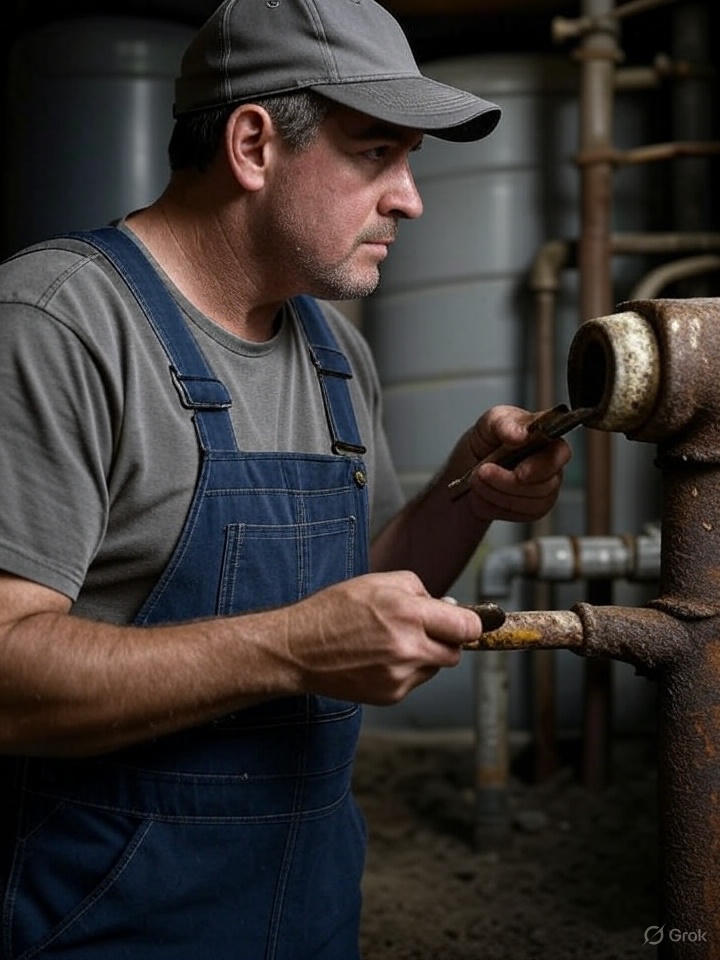
Corrosion in potable water systems poses significant risks to safety, compliance, and infrastructure longevity. For plumbers, addressing this challenge requires expertise in material selection and installation techniques to meet stringent Canadian standards like CSA B125.3. Whether working on commercial high-rises or residential retrofits, skilled plumbers play a critical role in ensuring safe drinking water. BuildMaterialsHire, a specialized desk under TalentSphere Staffing Solutions, connects these professionals with projects that demand advanced knowledge of corrosion-resistant materials like copper and PEX. As Canada’s construction sector grows (BuildForce Canada, 2025), the need for plumbers who can tackle complex material challenges is surging. This blog explores the causes of corrosion, effective strategies, and how BuildMaterialsHire supports plumbers in delivering durable, compliant water systems.
Section 1: Understanding the Challenge:
Corrosion in potable water systems arises from chemical reactions between water and piping materials, often driven by factors like pH, dissolved oxygen, or microbial activity. In Canada, where water chemistry varies by region, plumbers must anticipate these challenges. For instance, acidic water in some areas accelerates corrosion in metal pipes, while high chloride levels can degrade certain alloys. Galvanic corrosion, caused by dissimilar metals in contact, is another common issue, particularly in older systems mixing copper and galvanized steel. These factors can lead to pipe degradation, leaks, and contamination, compromising water safety and violating codes like the National Plumbing Code of Canada (2020).
Plumbers must also consider external factors, such as soil conditions for underground piping or temperature fluctuations in commercial buildings. Understanding these challenges requires a blend of material science and practical expertise, ensuring systems remain durable and compliant. BuildMaterialsHire recognizes the importance of this knowledge, connecting plumbers with roles where they can apply these skills to high-impact projects.
Section 2: Solutions and Strategies:
To combat corrosion, plumbers rely on material selection and installation best practices. Copper remains a top choice for potable water systems due to its natural corrosion resistance and compatibility with most water chemistries. Type L copper, specified in CSA B125.3, is ideal for high-pressure systems in commercial settings. Cross-linked polyethylene (PEX) is another excellent option, offering flexibility, resistance to scaling, and lower installation costs. PEX-A, with its superior durability, is increasingly popular for residential and light commercial projects.
Preventing galvanic corrosion is critical. Plumbers can use dielectric unions to separate dissimilar metals, such as copper and steel, reducing electrochemical reactions. Proper joint sealing with lead-free solder, compliant with Canadian regulations, ensures long-term integrity. Additionally, maintaining water pH between 6.5 and 8.5, as recommended by Health Canada, minimizes corrosion risks. For complex systems, plumbers may incorporate corrosion inhibitors or protective coatings, especially in regions with aggressive water chemistry.
Adhering to the National Plumbing Code and local bylaws is non-negotiable. Regular inspections and pressure testing, as outlined in CSA standards, help identify potential issues early. BuildMaterialsHire connects plumbers with projects that value these technical skills, ensuring safe and reliable water systems across Canada.
Section 3: Case Study:
Consider a hypothetical scenario: a commercial building in Toronto required a potable water system retrofit to address corrosion in aging steel pipes. A skilled plumber, placed by BuildMaterialsHire, assessed the water chemistry and identified high chloride levels as the culprit. They recommended replacing the steel with Type L copper piping, incorporating dielectric unions to prevent galvanic corrosion where copper met existing steel components. To enhance durability, they used PEX for branch lines, reducing installation time while meeting CSA B125.3 standards.
The plumber also installed water quality sensors to monitor corrosion risks in real time, ensuring long-term compliance with the National Plumbing Code. The project was completed on time, earning praise for its reliability and safety. This success highlights the expertise BuildMaterialsHire seeks in plumbers, connecting them with roles where their skills shine.
Conclusion:
Skilled plumbers are vital to ensuring corrosion-resistant potable water systems that meet Canada’s rigorous standards. By mastering materials like copper and PEX and adhering to best practices, you safeguard communities and infrastructure. BuildMaterialsHire, a TalentSphere desk, is proud to connect these professionals with projects that demand technical excellence. Ready to take on high-impact plumbing roles? Join top projects at buildmaterialshire.ca and explore our broader network at talentsphere.ca. #SkilledTrades #PlumbingJobs